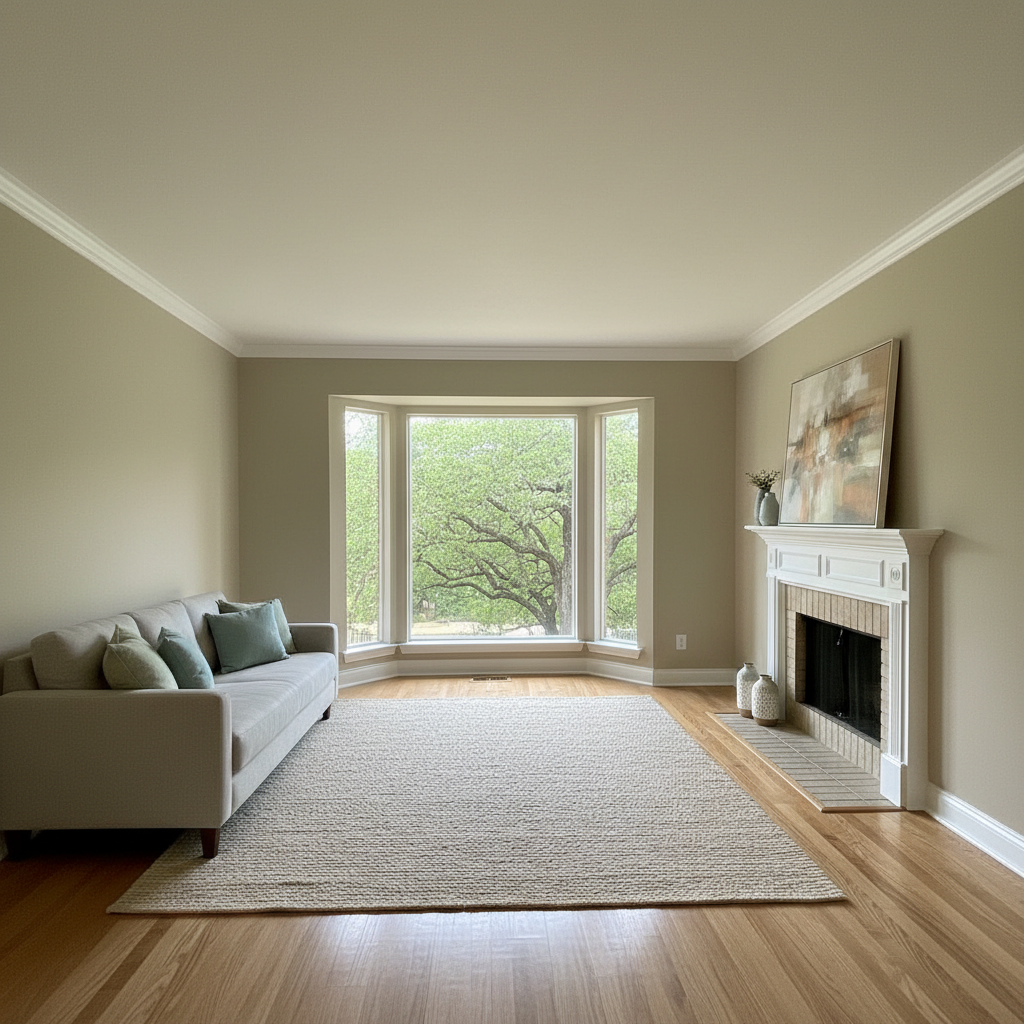
When's the best time to paint the inside of your house here in McKinney? It's a question I get a lot, and honestly, the answer isn't as simple as 'whenever you feel like it.' Our North Texas climate, with its wild swings, actually has a pretty big say in how well your interior paint job turns out and how long it lasts.
Timing Your Interior Paint Job in McKinney
You might think interior painting is immune to weather, but you'd be wrong. Humidity, temperature, and even air quality outside can sneak their way inside and mess with your paint. For us, the sweet spot for interior painting is usually during the spring or fall. Why?
Spring (March to May): This is often ideal. The temperatures are usually mild, and while we get our share of rain, the humidity isn't typically through the roof yet. You can open windows to ventilate without freezing or baking, which is crucial for paint drying and airing out fumes. Plus, the air isn't packed with pollen like it is later in spring, which can settle on wet paint if you're not careful.
Fall (September to November): Similar to spring, fall brings milder temperatures and lower humidity after the oppressive summer. It's another great window for getting those interior walls looking fresh. The air is generally drier, which helps paint cure properly and quickly.
Now, can you paint in the summer or winter? Sure, you can. But you'll need to be more mindful.
Weather Conditions That Affect Interior Paint
Here's what I'm always watching when we're painting inside a home, especially in places like the Stonebridge Ranch area where homes can be tightly sealed:
Humidity: This is the big one. High humidity, like what we often get in July and August, means paint takes much longer to dry. And I don't just mean surface dry; I mean properly cure. If paint dries too slowly, it can lead to issues like poor adhesion, a weaker film, and even mildew growth in really damp conditions. It can also make the paint feel tacky for longer. If it's super humid, we'll often recommend running your AC or a dehumidifier to pull moisture out of the air.
Temperature: Extreme temperatures, hot or cold, aren't great. If it's too cold, paint won't flow well and takes forever to dry. Too hot, and it can dry too fast on the surface, trapping solvents underneath and leading to blistering or an uneven finish. We usually aim for indoor temperatures between 65-85°F. That's why those shoulder seasons are so good – you're not fighting the elements as much.
Ventilation: This isn't strictly weather, but it's related. No matter the season, good ventilation is key. Opening windows and doors (when weather permits) helps fumes escape and fresh air circulate, which speeds up drying and makes the space more comfortable. If you can't open windows, using fans helps a lot.
Protecting Your Interior Paint Investment Year-Round
Once you've got those beautiful new colors on your walls, you want them to last, right? Here's how to keep them looking good:
Control Indoor Humidity: This goes back to our climate. High humidity isn't just bad for painting; it's bad for paint long-term. It can encourage mildew, especially in bathrooms, and can even contribute to paint peeling over time. Run your AC, use exhaust fans in bathrooms and kitchens, and consider a dehumidifier if you notice persistent dampness.
Maintain Consistent Temperatures: Big temperature swings inside your home can cause materials to expand and contract, which can stress paint films. Keeping your thermostat relatively stable helps prevent this, especially during those wild McKinney temperature drops we sometimes get in winter.
Clean Gently: Don't scrub your walls with harsh chemicals or abrasive sponges. Most modern interior paints are washable, but a soft cloth with mild soap and water is usually all you need for spot cleaning. Be careful around baseboards and trim, especially if your home is older and might have plaster walls that are less forgiving.
Address Leaks Promptly: Any water intrusion, whether from a leaky roof, plumbing, or even condensation around windows, will ruin your paint job faster than anything. Fix those issues immediately to prevent water stains, peeling, and mold.
Touch-Ups: Life happens. Kids, pets, moving furniture – walls get scuffed. Keep a small amount of your original paint for touch-ups. It's way easier to fix a small scuff than to repaint an entire wall. Just make sure to stir the paint well before using it.
Look, interior painting isn't just slapping some color on a wall. It's an investment in your home's appearance and protection. By understanding how our McKinney climate affects things, you can make smarter choices about when to paint and how to maintain it. If you're ready to refresh your space and want a crew that knows how to handle our local conditions, give Mckinney Painting Pros a call. We're always happy to talk through your project.